A Legacy of Art, History, and Community
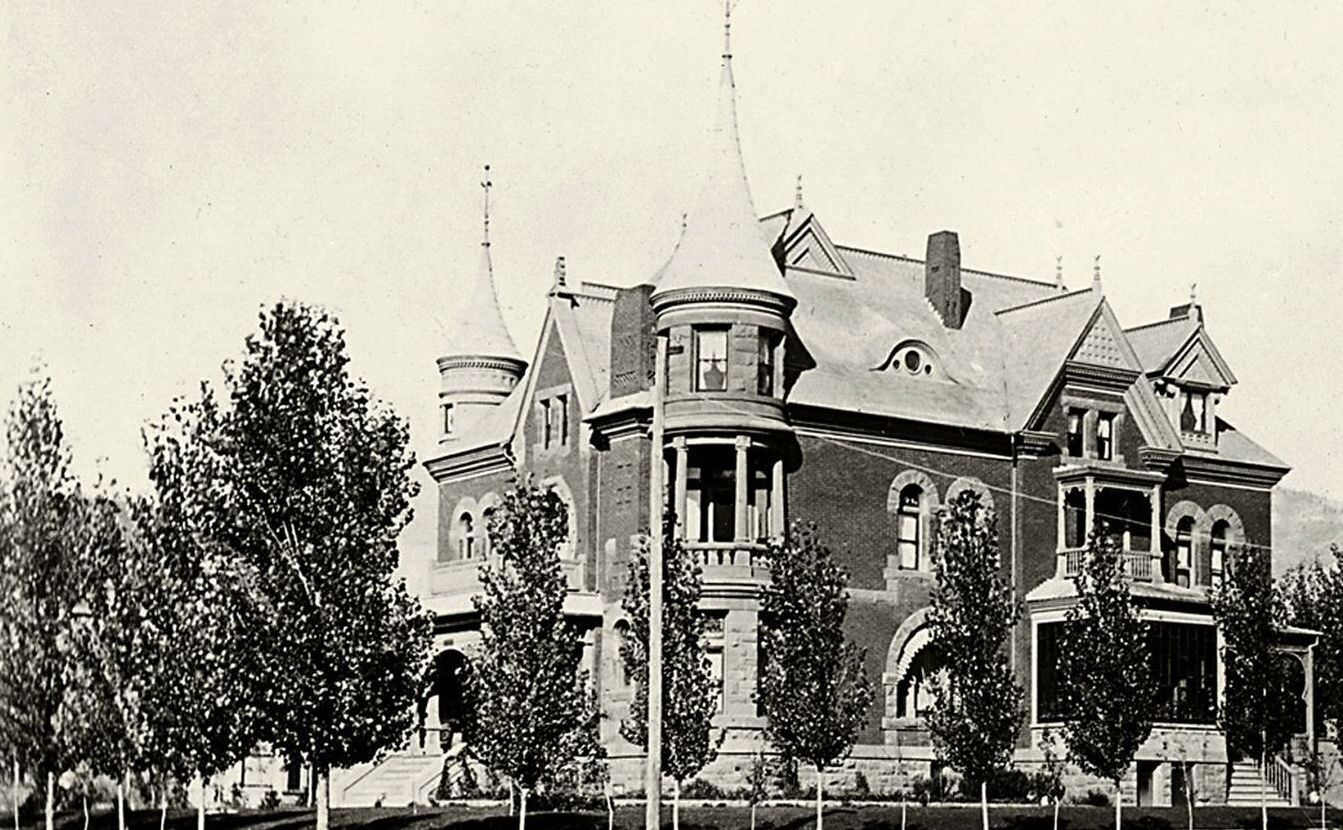
The Eccles Art Center is housed in one of Ogden’s most treasured historic landmarks—a Victorian mansion built in 1893. Originally constructed for businessman James C. Armstrong, the home was purchased in 1896 by David and Bertha Eccles, who raised their twelve children within its walls and established it as a gathering place for family, community, and culture.
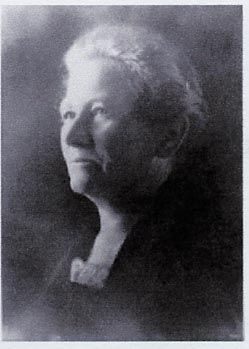
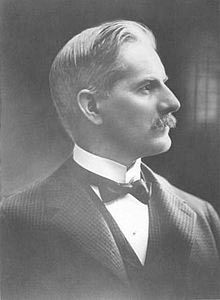
The story of the Eccles family mirrors the story of the American West. David Eccles emigrated from Scotland to Utah as a teenager and became one of the region’s most influential entrepreneurs. Bertha Jensen Eccles, born in Denmark and raised in Utah, was deeply committed to education, service, and community engagement. Throughout her life, she welcomed organizations such as the Girl Scouts, Red Cross, Daughters of the Utah Pioneers, and numerous civic and cultural groups into her home.
Before her passing, Bertha expressed a wish that the house remain intact and continue serving the educational and cultural needs of the community. Her vision would shape the future of the property for generations to come.
In 1948, the Eccles family donated the home to Weber State College, where it became known as Bertha Eccles Hall and served as a women’s residence hall. When the college relocated to its current campus, ownership of the property returned to The Church of Jesus Christ of Latter-day Saints.
A new chapter began in 1959 when the Ogden Community Arts Council—a coalition of local civic and cultural organizations dedicated to establishing a community arts center—successfully acquired the property. Recognizing that their mission aligned with Bertha Eccles’ wishes, the Council transformed the historic home into the Bertha Eccles Community Art Center. In 1976, the organization adopted its current name: the Eccles Art Center.
Today, the Eccles Art Center continues its mission of inspiring participation, awareness, and education in the arts. The historic mansion hosts rotating exhibitions featuring local, regional, and national artists, with new exhibits opening throughout the year. Competitions, educational programs, workshops, performances, and special events bring thousands of visitors to the campus annually.
The Art Center’s campus has grown over the years while preserving its historic character. The Carriage House Gallery, housed in a 1913 red-brick carriage house, opened in 1985 and provides additional exhibition space. In 1999, the Renaissance Complex was added to support arts education and community programming.
Visitors are also invited to explore the Art Center’s beautiful sculpture garden, where art and landscape come together in a peaceful setting. The grounds feature sculptures and gardens created by renowned artists including Terry C. Johnson, Tony Dickerson, Dan Hall, Lawrence Wheeler, and Adrian Van Suchtelen.
More than a century after the home was built, the Eccles Art Center remains a vibrant cultural destination where history, creativity, and community continue to thrive. Its success is the result of countless volunteers, artists, members, donors, and supporters who have contributed their time, talent, and resources to preserve this historic landmark and ensure that the arts remain accessible to all.
